Optimal Seasons for Exterior Door Installation
Exterior door installations are most effective when weather conditions are favorable, typically during mild seasons. Proper timing ensures optimal adhesion, sealing, and long-term durability of the door. Installing during extreme cold or heat can compromise materials and lead to issues such as warping or improper sealing.
Spring offers moderate temperatures and increased daylight, ideal for exterior door installation. It reduces the risk of weather-related delays and allows for proper curing of sealants and paints.
Summer provides warm, stable conditions, which are suitable for installation. However, high temperatures require caution to prevent material warping and ensure proper sealing.
Fall's cooler temperatures and lower humidity levels create favorable conditions. It also allows for timely completion before winter weather sets in.
Winter poses challenges such as freezing temperatures, snow, and ice, which can hinder installation and affect material performance.
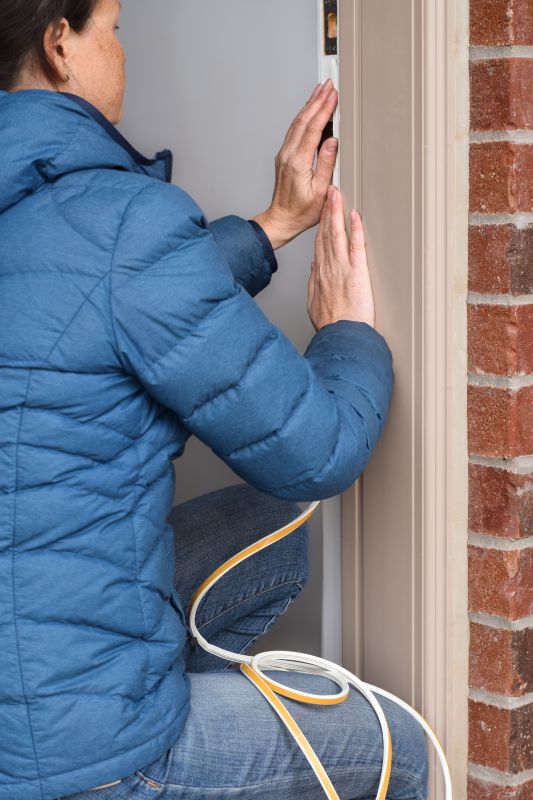
Installing during spring benefits from moderate weather, reducing risks associated with extreme temperatures.
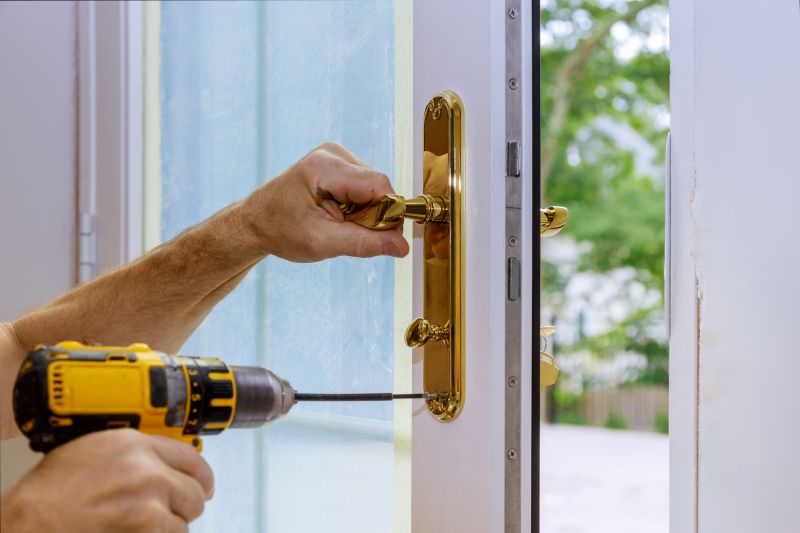
Summer offers warmth and longer days, aiding in efficient installation processes.
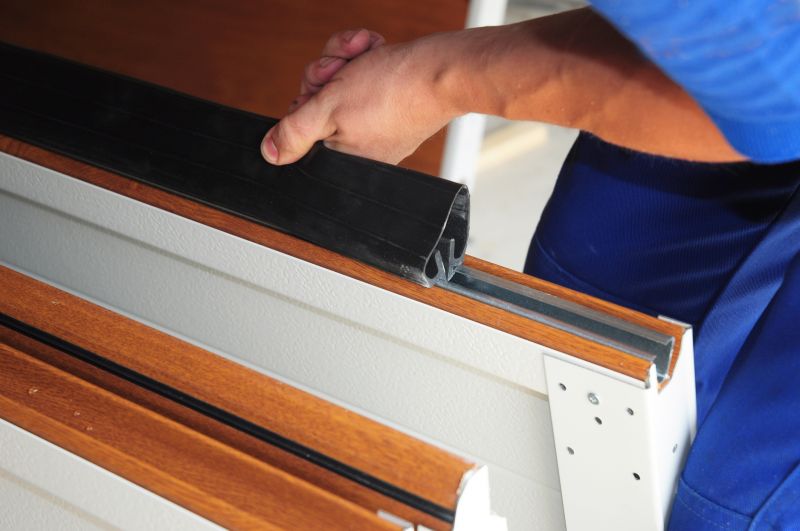
Fall's cooler weather helps ensure proper sealing and preparation before winter.
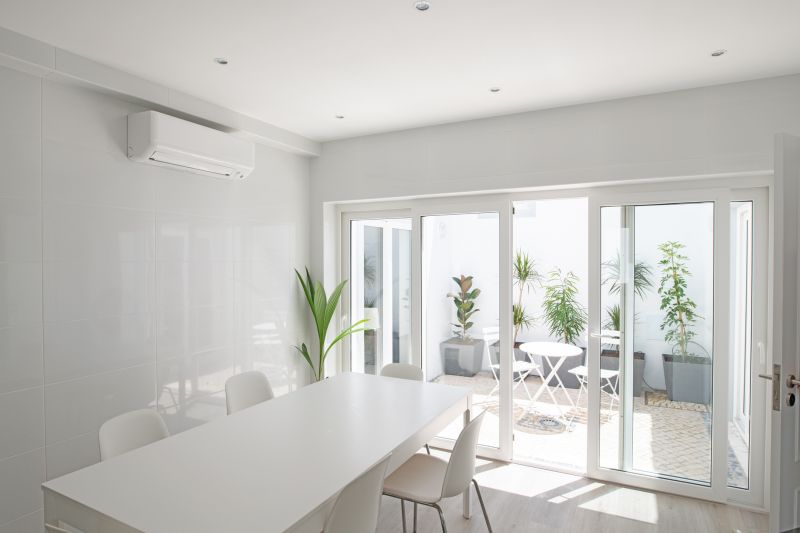
Ways to make Exterior Door Installations work in tight or awkward layouts.
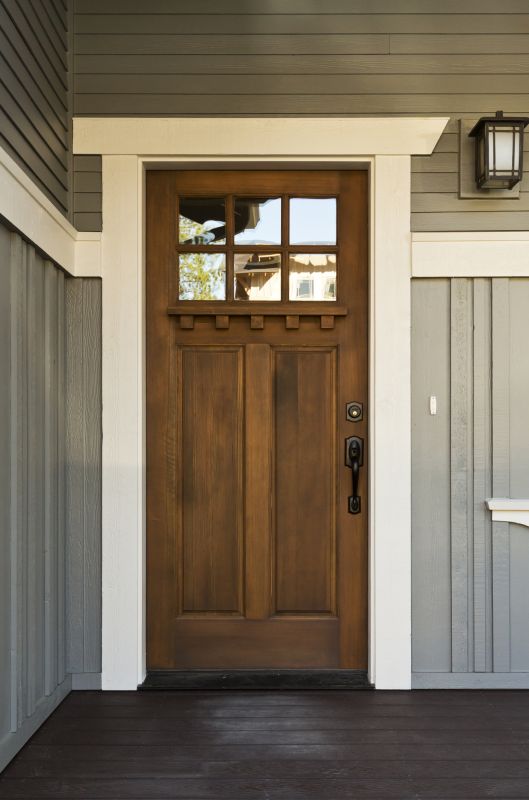
Popular materials for Exterior Door Installations and why they hold up over time.
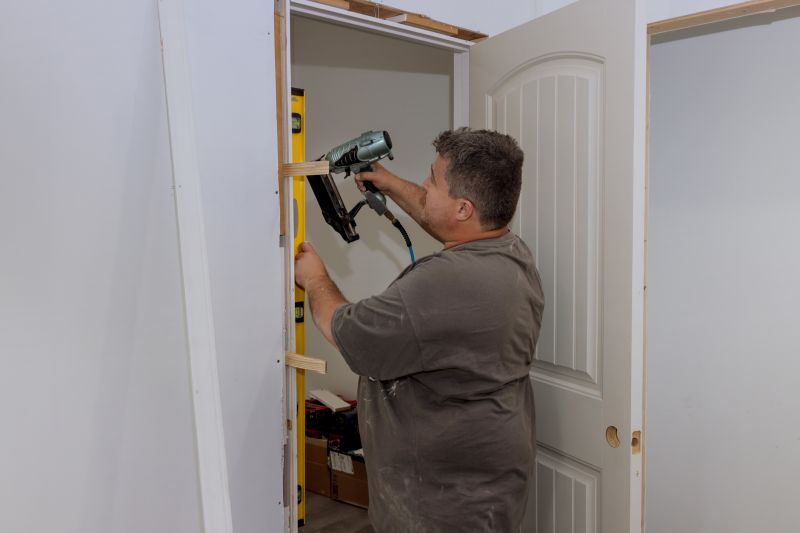
Simple add-ons that improve Exterior Door Installations without blowing the budget.
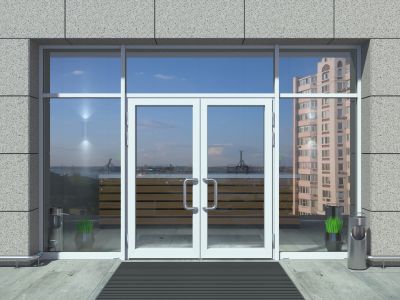
High-end options that actually feel worth it for Exterior Door Installations.
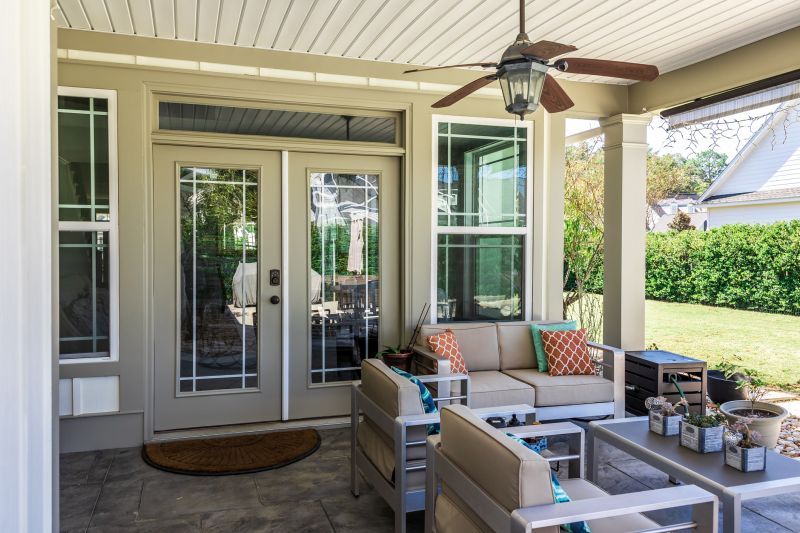
Finishes and colors that play nicely with Exterior Door Installations.
| Season | Recommended Conditions |
|---|---|
| Spring | Moderate temperatures, low humidity, dry weather |
| Summer | Warm temperatures, avoid extreme heat |
| Fall | Cooler temperatures, low humidity |
| Winter | Not recommended due to cold, snow, and ice |
Exterior door installations require careful planning to align with suitable weather conditions. Proper timing not only ensures the longevity of the door but also minimizes the risk of future issues such as warping, sealing failures, or damage caused by adverse weather. Understanding seasonal variations and choosing the right time can lead to a smoother installation process and better performance over time.
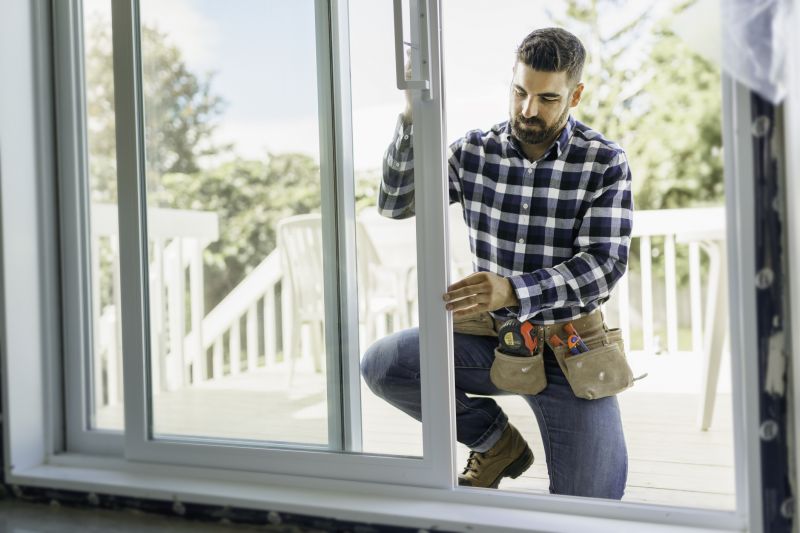
A professional installing an exterior door during spring, highlighting optimal weather conditions.
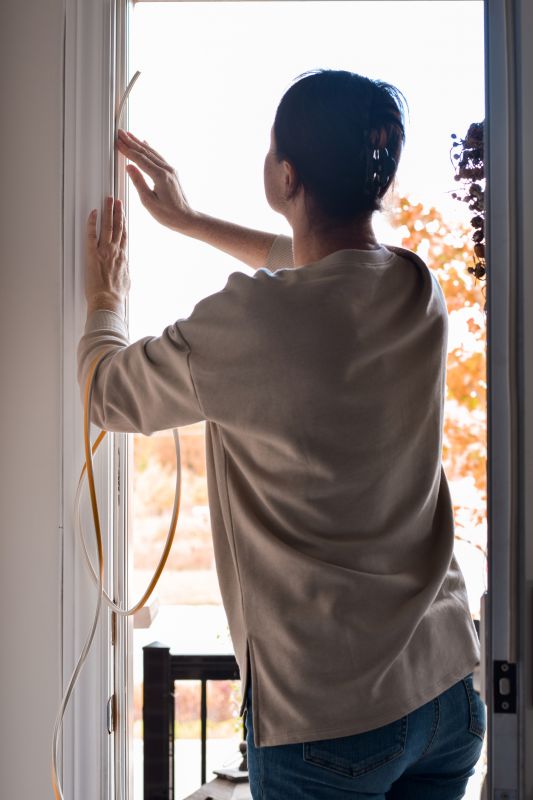
An exterior door being installed in warm summer weather, with tools and materials ready.
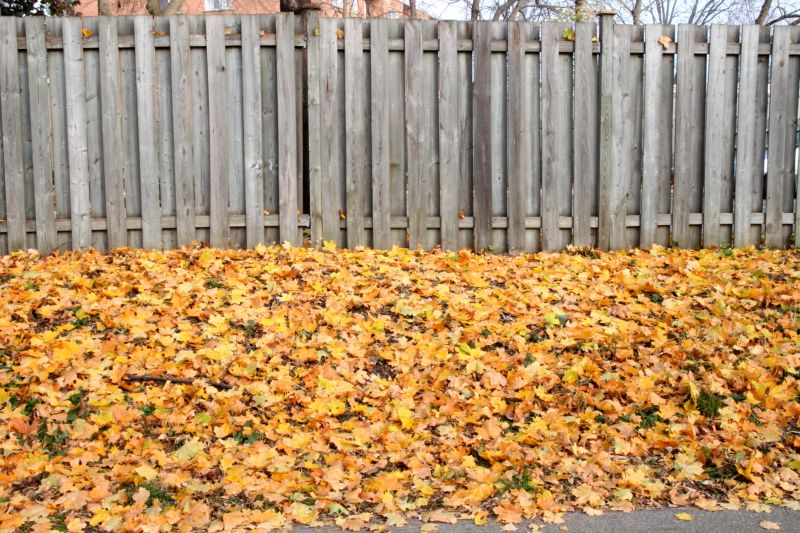
Installation taking place in fall, with leaves and cooler temperatures visible.
A scene showing snow and ice, illustrating why winter is unsuitable for exterior door installation.
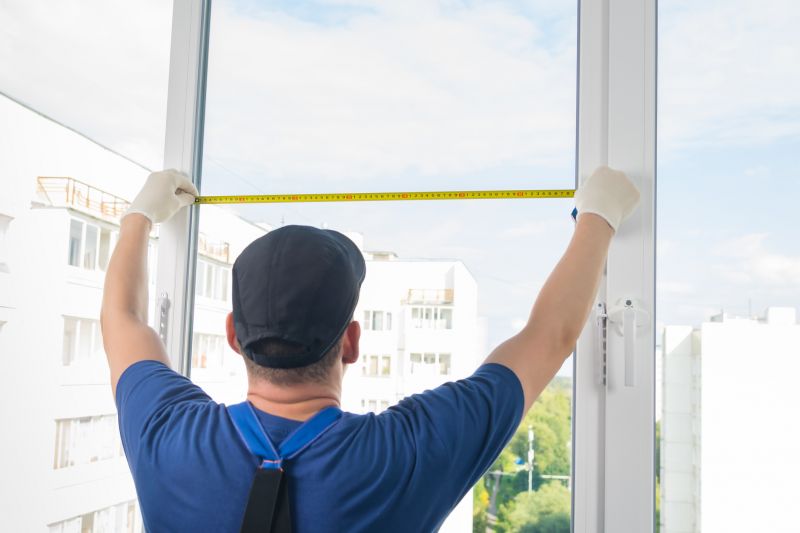
Little measurements that prevent headaches on Exterior Door Installations day.
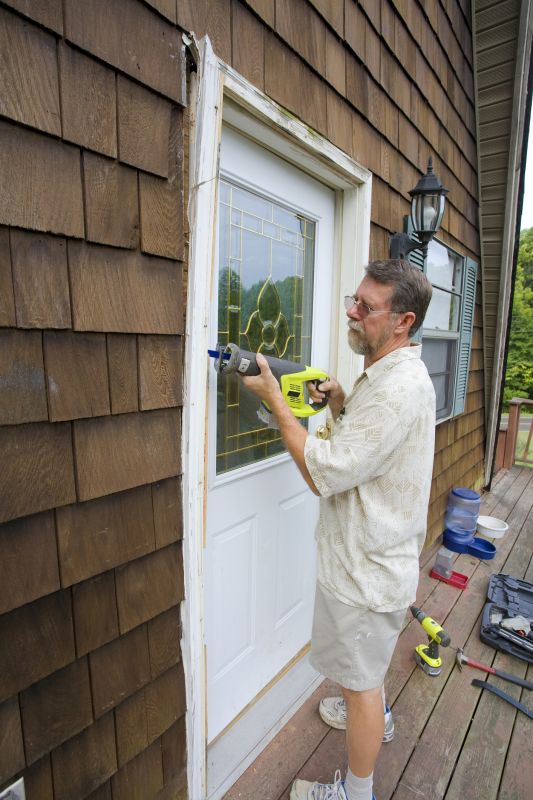
A 60-second routine that keeps Exterior Door Installations looking new.
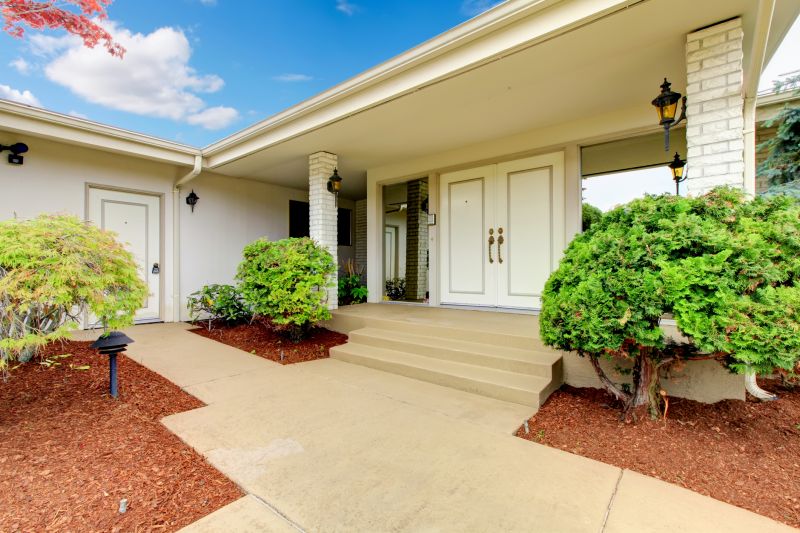
A frequent mistake in Exterior Door Installations and how to dodge it.
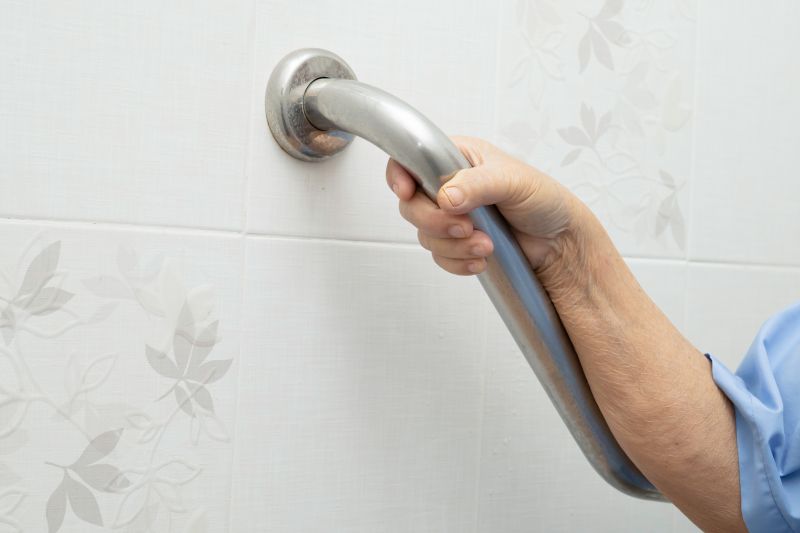
Small tweaks to make Exterior Door Installations safer and easier to use.
Selecting the appropriate season for exterior door installation can significantly impact the durability and appearance of the door. Properly timed installations help ensure sealants cure correctly, prevent warping, and provide a secure fit. Consulting with professionals can help determine the best timing based on local climate conditions and project requirements.
Interested in scheduling an exterior door installation? Filling out the contact form can facilitate planning and ensure the project is completed under optimal conditions for lasting results.