
Favorite Exterior Door Installation Products for DIY Enthusiasts
Get insights into popular tools and materials that help DIYers achieve professional-looking exterior door installations.
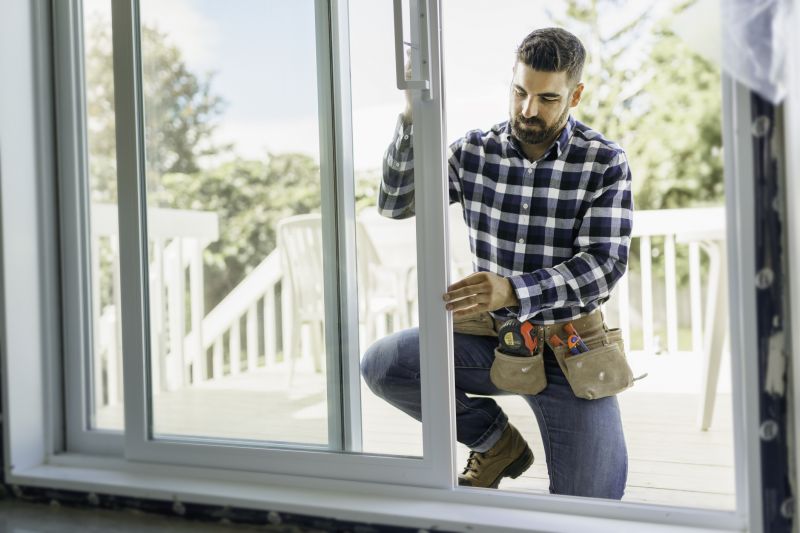 Exterior door installations are a crucial element in both the security and aesthetic appeal of a home. Selecting the right products ensures durability, weather resistance, and visual harmony with the overall design. From the initial choice of door material to the hardware and sealing components, each element plays a vital role in the performance and longevity of the installation. Modern options offer a variety of styles, materials, and features to suit different preferences and functional needs.
Top Overall Option
Exterior Door Material of Choice
A versatile and durable exterior door material that offers a balance of strength, appearance, and maintenance. It can be customized with various finishes and hardware options to complement different architectural styles. Its resistance to weather and wear makes it a popular choice for many homeowners seeking reliable exterior door solutions.
Types of Products For Exterior Door Installations
Steel Doors
Known for strength and security, steel doors are often chosen for their durability and low maintenance requirements.
Fiberglass Doors
Offering versatility and resistance to warping, fiberglass doors can mimic the appearance of wood and are suitable for various climates.
Wooden Doors
Classic and aesthetically appealing, wooden doors provide a traditional look but may need more upkeep.
Aluminum Doors
Lightweight and resistant to rust, aluminum doors are suitable for modern designs and high-traffic areas.
Composite Doors
Combining different materials, composite doors aim to deliver enhanced strength, insulation, and aesthetic options.
Door Hardware (Locks, Handles, Hinges)
Selecting durable and secure hardware is essential for safety and ease of operation.
Weatherstripping and Seals
These components help prevent drafts and water intrusion, improving energy efficiency.
Door Sweeps and Thresholds
Installed at the bottom of the door, these help seal gaps and keep out elements.
Security Bars and Reinforcements
Additional security features that can reinforce the door against forced entry.
Decorative Glass Inserts
Enhance aesthetic appeal while allowing natural light to enter.
Insulated Doors
Designed to improve energy efficiency by reducing heat transfer.
Sliding and Patio Doors
Popular for access to outdoor spaces, available in various materials and styles.
Storm and Exterior Screen Doors
Provide ventilation and protection against insects while maintaining visibility.
Door Frames and Jambs
Structural components that support the door and contribute to overall stability.
Door Louvers and Vents
Allow airflow and ventilation in exterior door designs.
Popular Choices
Widely used for their security and durability, suitable for various climates.
Favored for their low maintenance and ability to mimic wood finishes.
Chosen for their classic aesthetic and customizable options.
Popular for combining strength with design flexibility.
Commonly selected to enhance energy efficiency and comfort.
Essential for security and functional convenience.
A popular choice for access to outdoor living spaces with wide viewing areas.
Frequently installed for added protection and ventilation.
Often opted for to improve energy conservation.
Chosen for aesthetic enhancement and natural light.
Commonly used for sealing gaps and preventing drafts.
Popular additions for increased safety.
Selected for their lightweight and resistance to corrosion.
Often chosen for structural integrity and ease of installation.
When considering exterior door products, it is important to evaluate the climate conditions and the level of security required. Materials like steel, fiberglass, and wood each have their unique advantages and considerations. Steel doors are known for strength and security, while fiberglass offers versatility and resistance to warping and cracking. Wooden doors provide a classic look but may require more maintenance. Hardware such as locks, hinges, and handles should be chosen for durability and ease of use, with many options available that combine style with security features.
Sealing and weatherproofing components are also essential to prevent drafts, water intrusion, and energy loss. Weatherstripping, door sweeps, and threshold seals help maintain indoor comfort while reducing energy costs. Proper installation techniques, including the use of appropriate tools and hardware, ensure that these components function effectively over time. Whether upgrading an existing door or installing a new one, paying attention to these details can significantly impact the overall performance and appearance.
Ultimately, selecting the right products for exterior door installations involves balancing aesthetics, durability, security, and cost. Taking time to research and choose suitable options can lead to a satisfying and long-lasting result, enhancing the home's curb appeal and functionality.
Key Buying Considerations
- Material durability and suitability for your climate
- Security features such as reinforced locks and hardware
- Energy efficiency and insulation properties
- Aesthetic compatibility with home architecture
- Maintenance requirements for different materials
- Weather resistance, including resistance to water and wind
- Ease of installation and compatibility with existing openings
- Range of design options, including colors and finishes
- Hardware quality and ease of use
- Cost and overall value for the features offered
- Availability of customization options
- Compatibility with existing door frames and structures
- Warranty and after-sales support
- Ventilation and natural light considerations
- Compliance with local building codes and standards
This content contains affiliate links. We may earn a commission if you purchase through these links, at no additional cost to you.